Cartoon Evolution: How Animation Styles Have Changed Over the Decades
Cartoons have always been a mirror of their times—reflecting cultural trends, artistic techniques, and technological breakthroughs. From the rubber-hose arms of 1930s animations to today’s hyper-detailed 3D worlds, animation has undergone an extraordinary transformation.
The 1930s–1950s: The Golden Age of Animation
Early cartoons like Disney's Steamboat Willie (1928) and Warner Bros.’ Looney Tunes introduced the world to synchronized sound, iconic characters, and fluid hand-drawn animation. These animations featured bold outlines, exaggerated expressions, and the now-iconic "rubber hose" movement style.
- Key Studios: Disney, Warner Bros., Fleischer Studios
- Style: Black-and-white transitioning to color, bouncy character motion, musical timing
The 1960s–1970s: Limited Animation & Saturday Morning Boom
Budget cuts and TV production constraints gave rise to “limited animation”—fewer frames, recycled backgrounds, and simplified movements. Hanna-Barbera mastered this style with hits like The Flintstones, Scooby-Doo, and Yogi Bear.
- Key Trends: Background loops, mouth-only motion, iconic sound effects
- Impact: Made animation more affordable and accessible for TV
The 1980s: Neon, Nostalgia, and Toy Commercials
The ‘80s brought flashy intros, vibrant color palettes, and action-heavy plots. Cartoons like He-Man, Transformers, and G.I. Joe doubled as toy marketing engines. Animation quality varied, but aesthetics became more stylized.
Fun Fact: Shows like ThunderCats and Voltron borrowed heavily from Japanese anime techniques.
The 1990s: Cartoon Renaissance & Experimental Styles
Networks like Nickelodeon, Cartoon Network, and Fox Kids gave rise to diverse and daring visuals. Cartoons embraced weird proportions, edgy humor, and surreal animation. Shows like Rugrats, Dexter’s Laboratory, and Batman: The Animated Series defined the era.
- New Tech: Digital coloring and effects began replacing paint-on-cel methods
- Style Icons: The Powerpuff Girls, Johnny Bravo, X-Men
The 2000s: Flash Animation & Global Influence
Flash animation allowed creators to build shows faster and cheaper. While movement was often stiff, this led to hits like Homestar Runner, Foster’s Home for Imaginary Friends, and Code Lyoko. Anime influence surged in Western storytelling and aesthetics.
Example: Teen Titans blended Western comic style with anime-inspired expressions and action sequences.
The 2010s–Today: Digital Mastery & Diverse Representation
Modern cartoons benefit from high-res digital art tools, fluid motion software, and global talent. Shows like Steven Universe, Arcane, and The Owl House blend gorgeous visuals with emotionally rich stories and inclusive characters.
- Trends: Diverse casts, cinematic storytelling, painterly textures
- Platforms: Streaming services (Netflix, Disney+, Crunchyroll) dominate new releases
What’s Next?
The future of animation includes:
- Real-time rendering (via game engines like Unreal)
- Hybrid styles (2D + 3D fusion)
- AI-assisted animation tools
- Interactive cartoons and immersive VR animation
Rewind, Rewatch, and Rediscover on ViewCartoons.com
Whether you grew up with Tom & Jerry or binge modern anime today, animation continues to evolve in amazing ways. At ViewCartoons.com, we celebrate cartoon history, style, and everything in between.
View Cartoons Related Articles
- Behind the Mask: The Art and Culture of Cosplay Around the World
- Cartoon Evolution: How Animation Styles Have Changed Over the Decades
- Cartoon Nostalgia: 90s and 2000s Classics That Still Make Us Laugh
- Cartoons, Comics, Anime and Cosplay Fun
- From Panels to Pixels: How Cartoons and Comics Are Taking Over Streaming Platforms
- How to Start Cosplaying on a Budget: DIY Tips for Beginners
- Manga vs. Western Comics: What’s the Real Difference?
- Top 10 Anime Series Every Cosplayer Should Watch (and Why)
How to Start Cosplaying on a Budget: DIY Tips for Beginners
Cosplay is an incredible way to express your love for characters, fandoms, and creativity. But between fabrics, props, wigs, and makeup, the costs can add up fast. The good news? You don’t need a massive bank account to make a memorable costume.
Here’s how to dive into the world of cosplay with confidence—even if you’re on a tight budget.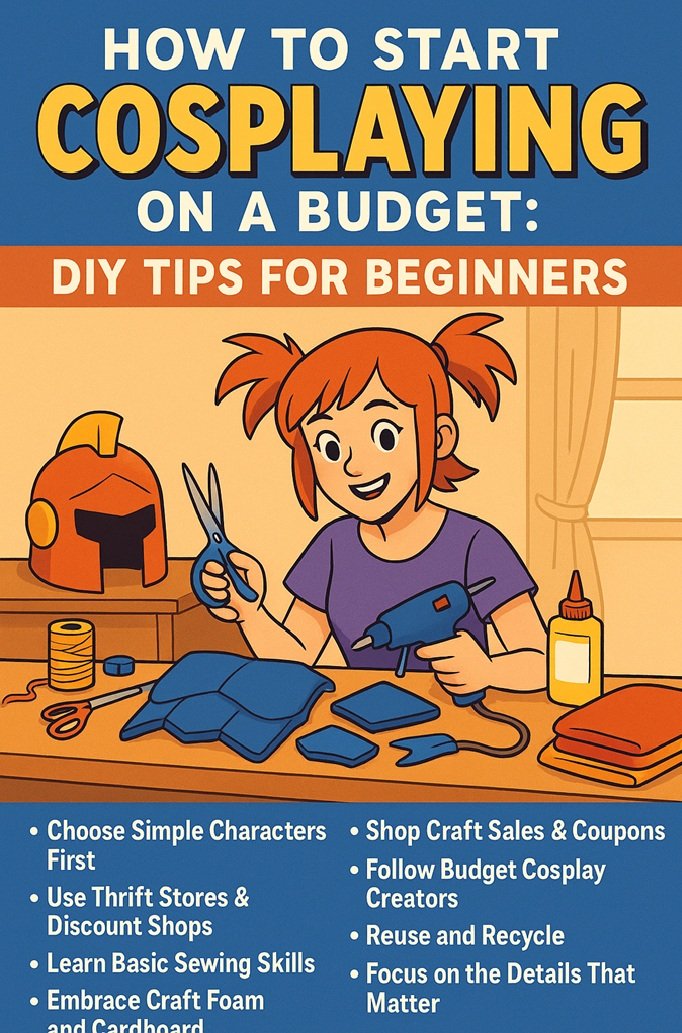
1. Choose Simple Characters First
Start with characters that wear simple or easily accessible outfits. School uniforms, casual clothes, and minimalist designs are great for beginners. Think:
- Hinata from Naruto
- Luffy from One Piece
- Steven Universe
- Misty from Pokémon
You can often build these looks from thrift stores or items you already own.
2. Use Thrift Stores & Discount Shops
Thrift stores are a goldmine for cosplay parts—jackets, boots, belts, button-up shirts. You’d be surprised how many pieces you can find secondhand that match your character’s style.
3. Learn Basic Sewing Skills
Even a little sewing knowledge goes a long way. Stitching seams, adding patches, or altering clothes can elevate your costume. Use free YouTube tutorials to master the basics, and don’t be afraid to start with hand sewing or a borrowed machine.
4. Embrace Craft Foam and Cardboard
Need armor or props? EVA foam, craft foam, and cardboard are your best friends. Lightweight, cheap, and incredibly versatile, these materials can become helmets, swords, shields, and more.
Budget tip: Try using yoga mats or leftover packaging materials for larger builds.
5. Use Wig Alternatives
Wigs can be expensive, especially styled ones. Instead, look for:
- Inexpensive wigs on eBay or Amazon (check reviews!)
- Old Halloween wigs you can re-style
- Your own hair if it matches or can be temporarily colored
6. Shop Craft Sales & Use Coupons
Craft stores like Michaels and Jo-Ann often have weekly deals or coupons. Stock up on paint, foam, Velcro, fabric, or glue sticks when they go on sale.
7. Follow Budget Cosplay Creators
Instagram, TikTok, and YouTube are full of creators sharing affordable cosplay tutorials. Some excellent hashtags to follow:
- #budgetcosplay
- #closetcosplay
- #diycosplay
8. Reuse and Recycle
One costume can turn into many with a few tweaks. Reuse accessories, base clothing, or wigs across characters. Once you build up your supplies, future costumes get cheaper and faster.
9. Focus on the Details That Matter
You don’t need a perfect replica. Focus on one or two key elements—like a recognizable symbol, hairstyle, or prop—that make your character stand out. Accuracy is nice, but fun and confidence matter more.
You Don’t Need Money—Just Passion
Cosplay is for everyone. Don’t let a tight budget stop you from becoming the hero, villain, or magical girl of your dreams. At ViewCartoons.com, we support creators at every level—especially those building costumes with heart and hustle.
View Cartoons Related Articles
- Behind the Mask: The Art and Culture of Cosplay Around the World
- Cartoon Evolution: How Animation Styles Have Changed Over the Decades
- Cartoon Nostalgia: 90s and 2000s Classics That Still Make Us Laugh
- Cartoons, Comics, Anime and Cosplay Fun
- From Panels to Pixels: How Cartoons and Comics Are Taking Over Streaming Platforms
- How to Start Cosplaying on a Budget: DIY Tips for Beginners
- Manga vs. Western Comics: What’s the Real Difference?
- Top 10 Anime Series Every Cosplayer Should Watch (and Why)
Manga vs. Western Comics: What’s the Real Difference?
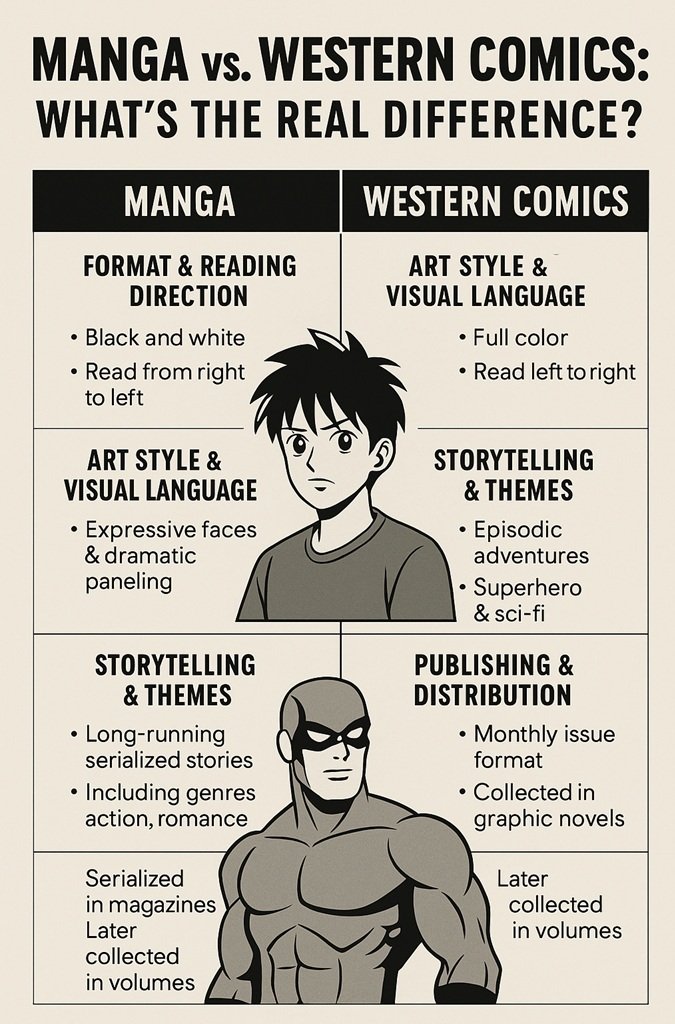
Manga and Western comics both tell stories with bold art and epic characters—but their styles, structure, and cultural roots are strikingly different. If you've ever wondered why a manga feels so different from a superhero comic, you're not alone.
Let’s dive into the real differences between manga and Western comics, with a closer look at trends, facts, and case studies that define each medium.
Format & Reading Direction
- Manga is traditionally printed in black and white and read from right to left. Most volumes are digest-sized and part of longer serialized arcs.
- Western comics are usually full color, read left to right, and released in shorter issues or graphic novels.
Fun Fact: Many U.S. publishers now preserve the original manga format to maintain authenticity and fan preference.
Art Style & Visual Language
Manga: Known for expressive faces, dramatic paneling, and minimalist backgrounds to emphasize emotion. Characters often have iconic large eyes, symbolic lines, and exaggerated features for effect.
Western Comics: Tend toward realism and detailed linework. Characters often appear muscular, with dynamic action scenes and cinematic perspective. Backgrounds are typically more intricate and colorful.
Storytelling & Themes
- Manga often explores deeper emotional arcs, long-term growth, and slice-of-life realism. Popular genres include shonen (action), shojo (romance), seinen (adult), and isekai (fantasy worlds).
- Western comics focus on episodic adventures, origin stories, and good-vs-evil narratives. Superhero stories dominate the scene—especially from publishers like Marvel and DC.
“A comic book is a rollercoaster. A manga is a train ride—you experience the full journey.” — Hiroshi Ikegami, manga editor
Publishing & Distribution
In Japan: Manga is often serialized weekly in anthologies like Shonen Jump. Volumes are later compiled into tankobon (collected books).
In the West: Comics are often released monthly through publishers and distributed in comic shops, digital platforms, and collected editions.
Global Trends & Market Stats
- Manga outsold American comics in the U.S. in 2022 and 2023 (ICv2 + NPD BookScan)
- Top manga like Demon Slayer and One Piece sold over 150 million copies globally
- Digital manga sales grew by 23% in 2024, fueled by apps like VIZ and Manga Plus
- Marvel and DC are adapting to global tastes by releasing manga-inspired versions of classic characters
Case Study: Marvel's Manga Influence
In 2021, Marvel partnered with Japanese artists to release "Marvel Manga Verse", giving heroes like Iron Man and Spider-Man a shonen-style twist. It was a hit in both the U.S. and Japan—proving fans love when East and West collide creatively.
Which Is Better?
It’s not about better—it’s about what you connect with:
- Prefer emotional arcs and detailed character growth? Manga may be your style.
- Love iconic superheroes and big action panels? Western comics will feel right at home.
Explore Both Worlds on ViewCartoons.com
Whether you’re flipping through Batman or binge-reading Jujutsu Kaisen, both manga and comics offer incredible stories worth exploring. At ViewCartoons.com, we celebrate the best of both styles—so you can dive into the stories that speak to you.
View Cartoons Related Articles
- Behind the Mask: The Art and Culture of Cosplay Around the World
- Cartoon Evolution: How Animation Styles Have Changed Over the Decades
- Cartoon Nostalgia: 90s and 2000s Classics That Still Make Us Laugh
- Cartoons, Comics, Anime and Cosplay Fun
- From Panels to Pixels: How Cartoons and Comics Are Taking Over Streaming Platforms
- How to Start Cosplaying on a Budget: DIY Tips for Beginners
- Manga vs. Western Comics: What’s the Real Difference?
- Top 10 Anime Series Every Cosplayer Should Watch (and Why)
Behind the Mask: The Art and Culture of Cosplay Around the World
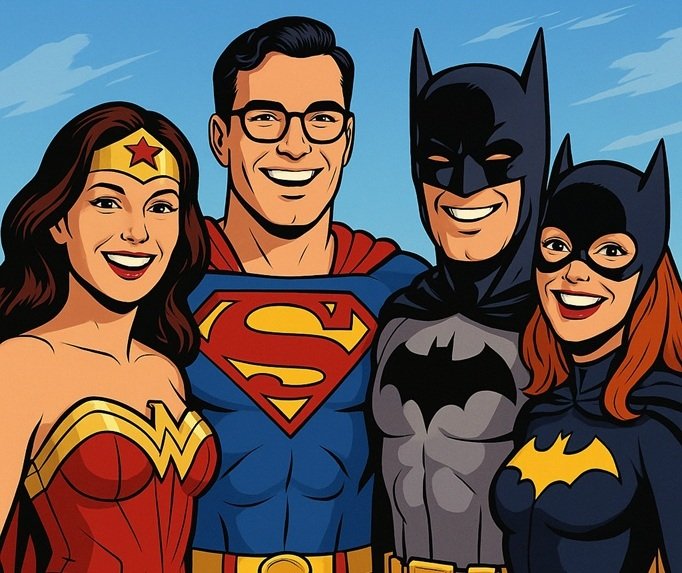
Cosplay—short for “costume play”—has grown far beyond its roots in fan conventions. Today, it's a global celebration of fandom, creativity, and self-expression. From hand-sewn armor in Tokyo to superhero duos in São Paulo, cosplayers are turning passion into performance on a worldwide stage.
What Is Cosplay, Really?
Cosplay is the act of dressing up as a character from a movie, anime, comic, or video game. But it’s more than a costume—it’s a craft, a persona, and often, a performance. Cosplayers invest hours (even months) designing, sewing, sculpting, and embodying their favorite characters to express love for the media they enjoy.
Cosplay by the Numbers
- $23 billion: Estimated global cosplay industry value by 2030 (Market Research Future)
- 70% of cosplayers say they cosplay as a form of self-expression (Crunchyroll survey)
- 35% of U.S. anime fans have tried cosplay at least once (Anime Expo 2023 Report)
Global Trends in Cosplay
🇯🇵 Japan: The Origin
Cosplay began in Japan in the 1980s and remains deeply rooted in anime, manga, and game culture. Akihabara in Tokyo is a cosplay hotbed, where "cosplay cafés" and street photographers create a thriving scene. Events like Comiket and World Cosplay Summit celebrate cosplay as an art form.
🇺🇸 United States: Pop Culture Explosion
In the U.S., cosplay covers everything from Marvel heroes to video game characters. San Diego Comic-Con and Dragon Con are among the biggest hubs, blending celebrity appearances with fan-led creativity. Social media has turned cosplay into a full-time career for influencers and makers alike.
🇧🇷 Brazil: Colorful, Bold, and Growing Fast
Brazil’s cosplay scene is booming, especially at events like CCXP (Comic Con Experience), which draws hundreds of thousands of fans. The local cosplay style often emphasizes vibrant colors, regional flair, and high-energy performances.
🇮🇹 Europe: High Fashion Meets Fandom
From Lucca Comics & Games in Italy to Japan Expo in France, European cosplay often emphasizes elegance, craftsmanship, and cinematic aesthetics. Many cosplayers collaborate with photographers to produce editorial-style photo shoots that rival fashion magazines.
Case Study: Yaya Han – From Hobbyist to Industry Icon
“Cosplay isn’t just about dressing up—it’s about becoming.” – Yaya Han
Yaya Han began making costumes in her apartment in the early 2000s. Now, she’s one of the most recognized figures in the cosplay world, having appeared on TV shows, judged international competitions, and launched her own fabric line. Her story represents the rise of cosplay from subculture to mainstream artistry.
Cosplay in the Digital Age
Thanks to platforms like Instagram, TikTok, and YouTube, cosplay has exploded beyond convention halls. Online challenges, transformation videos, and tutorials have built a massive global community. Some creators earn sponsorships, join brand campaigns, and even appear at gaming or entertainment expos professionally.
What Cosplay Means to the Community
For many, cosplay is about:
- Identity: Exploring gender, personality, or fandom pride
- Creativity: Learning skills like sewing, foam crafting, and FX makeup
- Connection: Meeting others who share the same passions
- Confidence: Becoming bolder through performance and roleplay
Unmask the Magic on ViewCartoons.com
Cosplay is more than a costume—it’s culture, craft, and creativity in motion. At ViewCartoons.com, we explore the colorful world of cosplay through interviews, tutorials, spotlights, and global stories.
View Cartoons Related Articles
- Behind the Mask: The Art and Culture of Cosplay Around the World
- Cartoon Evolution: How Animation Styles Have Changed Over the Decades
- Cartoon Nostalgia: 90s and 2000s Classics That Still Make Us Laugh
- Cartoons, Comics, Anime and Cosplay Fun
- From Panels to Pixels: How Cartoons and Comics Are Taking Over Streaming Platforms
- How to Start Cosplaying on a Budget: DIY Tips for Beginners
- Manga vs. Western Comics: What’s the Real Difference?
- Top 10 Anime Series Every Cosplayer Should Watch (and Why)
Cartoon Nostalgia: 90s and 2000s Classics That Still Make Us Laugh
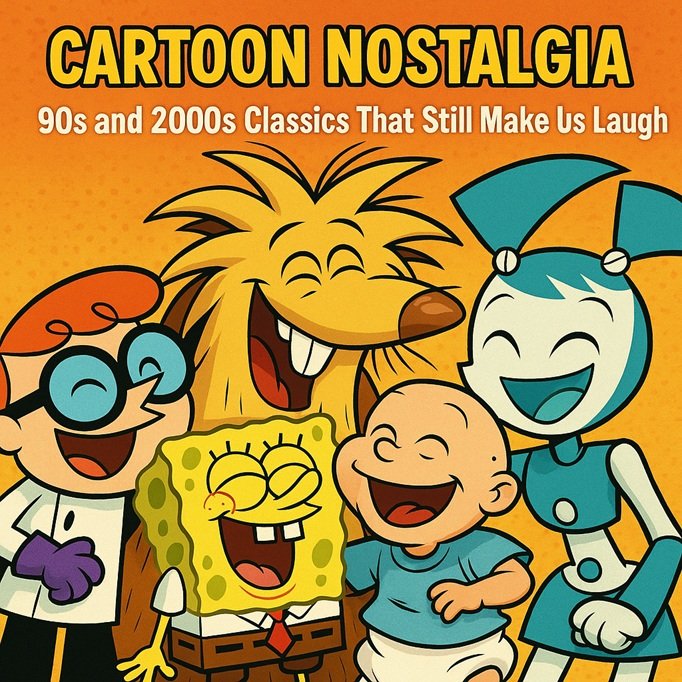
There’s something magical about Saturday mornings, sugary cereal, and animated chaos. For many of us, the 90s and early 2000s were a golden age of cartoons—bold, weird, funny, and often ahead of their time. These shows didn’t just entertain us, they became cultural touchstones.
Let’s take a trip down memory lane and revisit some of the most beloved cartoons that still have the power to make us laugh today.
1. SpongeBob SquarePants (1999–present)
Is there a more quotable cartoon? From jellyfishing to Krabby Patties, SpongeBob has delivered some of the most iconic and absurd moments in animation history. The early seasons, especially, are pure meme gold.
2. Animaniacs (1993–1998)
Witty, wild, and filled with meta-humor, Animaniacs blended slapstick and satire like no other. The show wasn’t afraid to sneak in jokes for the grown-ups, either—making it a nostalgic treat at any age.
3. Dexter’s Laboratory (1996–2003)
Boy genius Dexter and his hyper sister Dee Dee gave us science-fueled hilarity and a lesson in sibling chaos. Add in the unforgettable “Omelette du Fromage” episode, and it’s no wonder this one stuck with fans.
4. The Powerpuff Girls (1998–2005)
Sugar, spice, and everything nice—with a side of butt-kicking action. Blossom, Bubbles, and Buttercup were fierce, fashionable, and surprisingly funny.
5. Ed, Edd n Eddy (1999–2009)
Three scheming boys and an endless pursuit of jawbreakers. This show’s exaggerated animation and chaotic humor gave it a unique flavor that’s still unmatched.
6. Futurama (1999–2013)
Smart, sci-fi satire wrapped in lovable goofiness. Fry, Leela, and Bender took viewers on a hilarious ride across the galaxy—and into our hearts.
7. Hey Arnold! (1996–2004)
This urban slice-of-life cartoon stood out for its emotional intelligence and relatable characters. Plus, Helga’s secret shrine to Arnold? Still hilarious.
8. Johnny Bravo (1997–2004)
Part Elvis impersonator, part clueless charmer, Johnny Bravo was a parody of macho stereotypes—and a constant source of laughs.
9. Kim Possible (2002–2007)
She was a teen cheerleader and a world-saving secret agent. Kim and her hilarious sidekick Ron made every mission memorable. “What’s the sitch?” never gets old.
10. Batman: The Animated Series (1992–1995)
Dark, stylish, and serious without losing its comic book charm. This version of Batman defined the character for a generation—and still holds up beautifully today.
Why These Cartoons Still Work
- Timeless humor: Many of the jokes are still funny, even by today’s standards.
- Creative animation: Unique visual styles that influenced modern cartoons.
- Relatable characters: From nerds to ninjas, we saw ourselves in them.
- Nostalgia: These shows remind us of simpler, sillier times.
Relive the Laughs on ViewCartoons.com
Whether you're revisiting old favorites or introducing them to a new generation, these cartoon classics are always worth watching again. Check out more retro reviews, character spotlights, and fun facts at ViewCartoons.com!
View Cartoons Related Articles
- Behind the Mask: The Art and Culture of Cosplay Around the World
- Cartoon Evolution: How Animation Styles Have Changed Over the Decades
- Cartoon Nostalgia: 90s and 2000s Classics That Still Make Us Laugh
- Cartoons, Comics, Anime and Cosplay Fun
- From Panels to Pixels: How Cartoons and Comics Are Taking Over Streaming Platforms
- How to Start Cosplaying on a Budget: DIY Tips for Beginners
- Manga vs. Western Comics: What’s the Real Difference?
- Top 10 Anime Series Every Cosplayer Should Watch (and Why)