
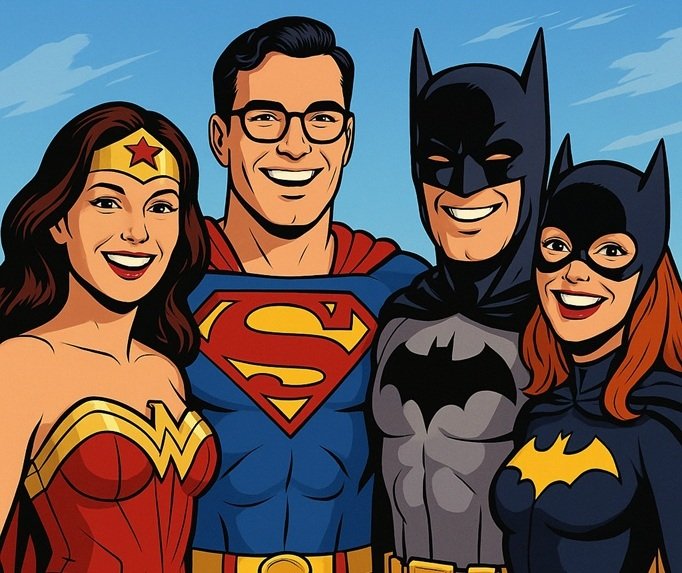
Cosplay—short for “costume play”—has grown far beyond its roots in fan conventions. Today, it's a global celebration of fandom, creativity, and self-expression. From hand-sewn armor in Tokyo to superhero duos in São Paulo, cosplayers are turning passion into performance on a worldwide stage.
What Is Cosplay, Really?
Cosplay is the act of dressing up as a character from a movie, anime, comic, or video game. But it’s more than a costume—it’s a craft, a persona, and often, a performance. Cosplayers invest hours (even months) designing, sewing, sculpting, and embodying their favorite characters to express love for the media they enjoy.
Cosplay by the Numbers
- $23 billion: Estimated global cosplay industry value by 2030 (Market Research Future)
- 70% of cosplayers say they cosplay as a form of self-expression (Crunchyroll survey)
- 35% of U.S. anime fans have tried cosplay at least once (Anime Expo 2023 Report)
Global Trends in Cosplay
🇯🇵 Japan: The Origin
Cosplay began in Japan in the 1980s and remains deeply rooted in anime, manga, and game culture. Akihabara in Tokyo is a cosplay hotbed, where "cosplay cafés" and street photographers create a thriving scene. Events like Comiket and World Cosplay Summit celebrate cosplay as an art form.
🇺🇸 United States: Pop Culture Explosion
In the U.S., cosplay covers everything from Marvel heroes to video game characters. San Diego Comic-Con and Dragon Con are among the biggest hubs, blending celebrity appearances with fan-led creativity. Social media has turned cosplay into a full-time career for influencers and makers alike.
🇧🇷 Brazil: Colorful, Bold, and Growing Fast
Brazil’s cosplay scene is booming, especially at events like CCXP (Comic Con Experience), which draws hundreds of thousands of fans. The local cosplay style often emphasizes vibrant colors, regional flair, and high-energy performances.
🇮🇹 Europe: High Fashion Meets Fandom
From Lucca Comics & Games in Italy to Japan Expo in France, European cosplay often emphasizes elegance, craftsmanship, and cinematic aesthetics. Many cosplayers collaborate with photographers to produce editorial-style photo shoots that rival fashion magazines.
Case Study: Yaya Han – From Hobbyist to Industry Icon
“Cosplay isn’t just about dressing up—it’s about becoming.” – Yaya Han
Yaya Han began making costumes in her apartment in the early 2000s. Now, she’s one of the most recognized figures in the cosplay world, having appeared on TV shows, judged international competitions, and launched her own fabric line. Her story represents the rise of cosplay from subculture to mainstream artistry.
Cosplay in the Digital Age
Thanks to platforms like Instagram, TikTok, and YouTube, cosplay has exploded beyond convention halls. Online challenges, transformation videos, and tutorials have built a massive global community. Some creators earn sponsorships, join brand campaigns, and even appear at gaming or entertainment expos professionally.
What Cosplay Means to the Community
For many, cosplay is about:
- Identity: Exploring gender, personality, or fandom pride
- Creativity: Learning skills like sewing, foam crafting, and FX makeup
- Connection: Meeting others who share the same passions
- Confidence: Becoming bolder through performance and roleplay
Unmask the Magic on ViewCartoons.com
Cosplay is more than a costume—it’s culture, craft, and creativity in motion. At ViewCartoons.com, we explore the colorful world of cosplay through interviews, tutorials, spotlights, and global stories.
View Cartoons Related Articles
- Behind the Mask: The Art and Culture of Cosplay Around the World
- Cartoon Evolution: How Animation Styles Have Changed Over the Decades
- Cartoon Nostalgia: 90s and 2000s Classics That Still Make Us Laugh
- Cartoons, Comics, Anime and Cosplay Fun
- From Panels to Pixels: How Cartoons and Comics Are Taking Over Streaming Platforms
- How to Start Cosplaying on a Budget: DIY Tips for Beginners
- Manga vs. Western Comics: What’s the Real Difference?
- Top 10 Anime Series Every Cosplayer Should Watch (and Why)